
Bad parts can ruin your project and waste your budget. It is frustrating to wait for weeks only to receive incorrect items. You need a partner who delivers perfection every time.
You can find a good custom CNC parts supplier by searching for ISO 9001 certified factories in major manufacturing hubs like Shenzhen. Look for companies with over five years of experience, clear inspection reports, and a strong commitment to after-sales support to ensure reliable quality and fair pricing.
I have worked in the machining industry for over 20 years. I know how hard it is for purchasing managers to find a factory they can trust. Many factories promise the world but fail when things get difficult. I want to share my experience with you so you can avoid these common traps. Please read on to learn how to pick a supplier that actually helps your business grow.
How much does custom CNC cost?
High costs can kill your profits before you even sell a single product. Budgeting is difficult when quotes from different shops vary so much. You need to know what drives the price.
Custom CNC machining usually costs between $30 and $100 per hour. The final price depends on the material you choose, the complexity of your design, and the size of your order. Buying in bulk lowers the price per part because it spreads out the initial setup costs.
I see many quotes every day at Ranglink. One thing I always tell my clients is that the first part is the most expensive. We have to spend hours programming the machine and setting up the tools. If you only buy five parts, you pay a lot for that setup time. If you buy five hundred, that setup cost is almost nothing per piece. We have over 100 machines, including lathes and milling machines. This variety allows us to pick the most cost-effective machine for your specific job.
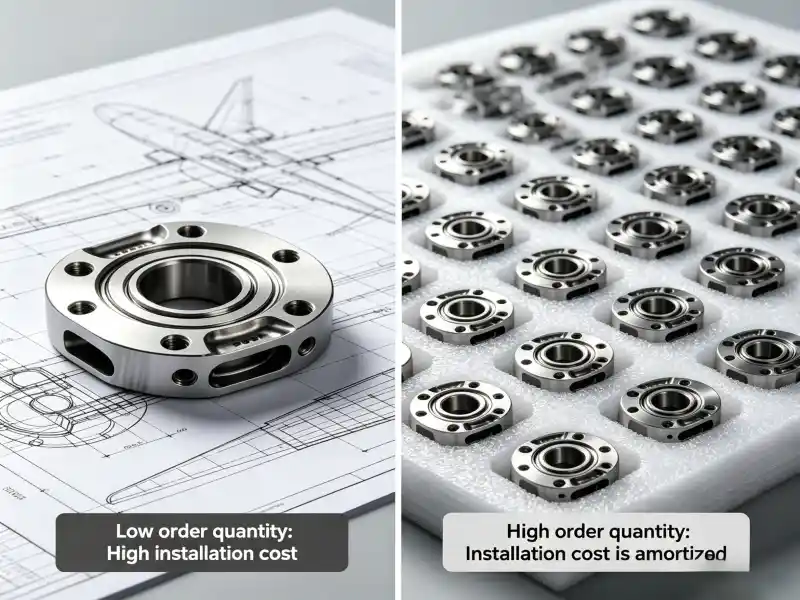
Key Factors Affecting Your Quote
| Factor | Cost Impact | Why it happens |
|---|---|---|
| Material | High | Harder metals like titanium take longer to cut and break tools. |
| Tolerances | High | Very tight tolerances[1] need extra care and slower machine speeds. |
| Complexity | Medium | Parts with many holes or odd angles need more tool changes. |
| Order Volume | Very High | Large batches allow the machines to run longer without stopping. |
I once helped a customer who was paying too much for a simple bracket. I looked at his design and suggested a small change to the internal corners. This change allowed us to use a standard tool at a higher speed. We saved him 15% on his total bill. My goal is always to find these savings for you. When your costs go down, your business can grow faster.
Why is CNC machining so cheap in China?
You might think that a low price means low quality. This is a common worry for many international buyers. You need to understand the real reason why Chinese prices are so competitive.
CNC machining is cheaper in China because of the mature supply chain in cities like Shenzhen[2]. These areas have thousands of material suppliers and finishing shops in one place. This density lowers shipping costs and allows factories to finish jobs much faster than Western competitors.
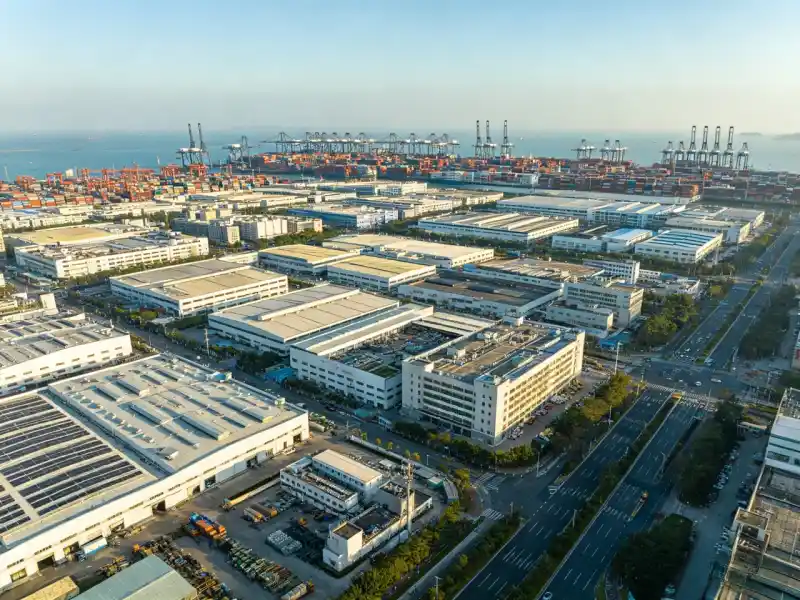
I work in Shenzhen[2] every day. This city is a massive machine. If I need a special type of aluminum or a specific heat treatment, I can get it done within a few miles of my factory. This “supply chain maturity[3]” is our secret weapon. We do not have to wait weeks for materials to arrive from another state. Everything is right here. This intense local competition also forces us to be very efficient with our labor and our machines.
The Shenzhen Supply Chain Advantage
| Advantage | Benefit to You |
|---|---|
| Local Materials | We buy raw metal at lower prices and get it delivered in hours. |
| Finishing Hubs | Anodizing and plating shops are next door, saving time and transit fees. |
| Skilled Labor | Our 60+ technicians have decades of experience in this specific hub. |
| Logistics | We are close to major ports, which makes international shipping easy. |
At Ranglink, we use this ecosystem to keep your costs low without cutting corners. I have seen shops in other countries struggle because they are isolated. Here, we are surrounded by experts. If a job needs a special tool, I can have it on my desk by the afternoon. This speed means we can keep our machines running longer. We pass those savings directly to you. It is not about cheap labor; it is about a smart and fast system.
What is the most profitable CNC business?
Choosing a niche is important for long-term success. Some parts are easy to make but offer very low margins. You want to work with a supplier that focuses on high-value, high-precision work.
The most profitable CNC businesses focus on high-precision industries[4] like medical, aerospace, and custom automation. These sectors require perfect quality and strict documentation. Suppliers who invest in ISO 9001 certification and advanced equipment can charge more because their work is much more reliable.
I have learned that being “just another machine shop” is a path to failure. That is why Ranglink focuses on precision mechanical parts for automated equipment. These parts are complex and require deep expertise. I always tell my team that our experience is our greatest asset. We have been in business for over 20 years. We have seen every problem and found every solution. This makes us a more stable partner for you.
Profitability and Industry Focus
| Industry | Profit Margin | Complexity |
|---|---|---|
| Medical/Aerospace | High | Extremely High |
| Custom Automation | Medium-High | High |
| Automotive Parts | Medium | Medium |
| Simple Hardware | Low | Low |
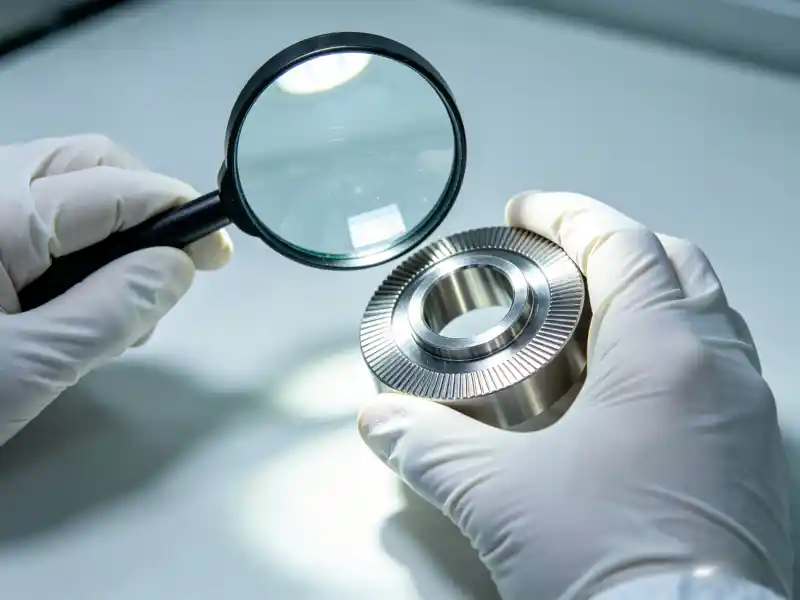
When I look at our most successful clients, they are the ones who need parts that actually work. They are not looking for the cheapest possible bolt. They are looking for a partner who understands ISO standards[5]. We take quality very seriously. Our ISO 9001 certification is not just a piece of paper. It is a promise that every part follows a strict process. This focus on precision is why we continue to grow while others close down.
Will AI replace CNC machining?
Technology is changing everything around us. You might worry that your current suppliers will become obsolete. It is important to know how technology will change the way we make your parts.
AI will not replace CNC machining, but it will make it much more efficient. AI helps us program machines faster and predict when a tool might break. However, we still need highly skilled humans to set up the machines and perform final quality checks[6].
I use new technology every day in my factory. It helps us work faster. But AI cannot replace the hands of my 60 skilled technicians. Machining is still a physical process. A machine can follow a program, but it cannot “feel” if a part is getting too hot. It cannot hear if a cutting tool is starting to dull. My experienced staff can. They use their senses to ensure every part is perfect.
AI vs. Human Technicians
| AI | Human Technicians | |
|---|---|---|
| Programming | Generates paths quickly | Optimizes for real-world conditions |
| Quality Control | Scans for visual defects | Conducts final precision measurements[7] |
| Problem Solving | Identifies data trends | Fixes mechanical issues on the floor |
| After-Sales | Chatbots for basic info | Real experts solving technical problems |
I believe the future is a mix of AI and human skill. At Ranglink, we provide standard inspection reports with every shipment. An AI might help generate the report, but a human expert signs off on it. We also stand by our work with a clear warranty. If there is a problem, you talk to a person, not a computer. This human commitment to after-sales support[8] is something AI will never replace. We take responsibility for our work because we value your trust.
Conclusion
Finding a good supplier requires checking their experience, location, and quality certifications. Ranglink uses 20 years of expertise to provide reliable, high-precision parts for your business needs.
Ready to turn your idea into reality?
Upload your CAD file for a free quote within 24 hours.
👉 Email: rang@ranglink.com
[1]: Explore the significance of tolerances in CNC machining and how they impact the quality of your parts.
[2]: Discover why Shenzhen is a leading manufacturing hub, offering competitive pricing and a mature supply chain for CNC parts.
[3]: Understand how supply chain maturity in regions like Shenzhen leads to faster and cheaper CNC machining.
[4]: Explore the high-precision industries that benefit from CNC machining and the standards they require.
[5]: Learn about the importance of ISO standards in ensuring quality and reliability in CNC machining.
[6]: Understand the importance of quality checks in CNC machining to ensure the reliability of your parts.
[7]: Explore the significance of final precision measurements in ensuring the quality of CNC machined parts.
[8]: Learn why after-sales support is vital for maintaining quality and trust in your CNC machining partnerships.