
Many teams hit hidden design flaws at full production. They waste time and money on bad parts. Prototype machining spots errors early and saves resources.
Prototype machining is most common in automotive, aerospace, medical, electronics, robotics, industrial equipment, and consumer products to test, refine, and prove designs before mass runs.
I’ll walk you through the top seven fields. You’ll see why they lean on prototyping. Then you can apply the same steps to your projects.
Why is prototyping used in industry?
Many people send designs straight to tooling and face big scrap bills. They scramble to fix flaws under deadline pressure. I once lost weeks and dollars by skipping a test sample.
Industries use prototyping to check fit, test function, assess materials, and refine processes before they commit to expensive tools or large orders.
Dive deeper into why prototyping matters
I learned that each prototype has a clear purpose. First, a mock-up shows shape and size. That step wins early approval from buyers and engineers. Next, a functional sample tests moving parts under real loads. This cut our test time by half on a gearbox project. Finally, an engineering prototype[1] uses final materials and tools to confirm processes. We ran a bracket through heat and stress tests to meet specs. Each run taught us one key lesson. We logged results in a simple chart:
| Goal | What It Checks | Real Case |
|---|---|---|
| Form and fit | Dimensions and layout | Headlight housing mock-up |
| Operation | Mechanics and motion | Drone rotor balance test |
| Material limits | Heat, wear, and stress response | Aluminum bracket trials |
| Assembly process | Tool paths and cycle times | CNC program time study |
| User feedback | Ergonomics and interface | Hand tool grip test |
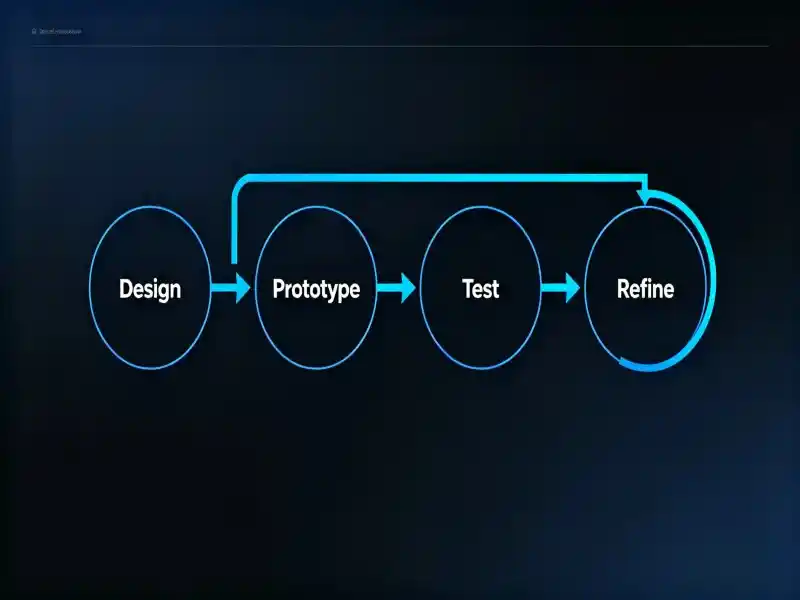
I stick to one goal per run. I set clear tests and record results. I refine the CAD or tool path after each sample. This method cuts wasted runs and reveals flaws before they grow into big problems. Our precision CNC machining services ensure every prototype meets tight tolerances.
Which are the most popular prototypes in a project?
Teams often guess the sample type they need. They build a full metal part when a quick plastic model would work. That error burns weeks and cash. I saw a project stall by six weeks for that mistake.
The most popular prototypes are visual models for design checks, functional samples[2] for performance tests, and engineering prototypes[1] for full production validation.
Dive deeper into prototype types
I break prototypes into three main types. Each type answers a key question. I start with a visual model to test look and feel. We 3D print a plastic shell and pass it to users for feedback on shape and color. That step slashed our design tweaks by 40 percent.
Next, we build a functional sample. We use CNC-machined aluminum or SLS plastic. We test moving parts, loads, and basic assembly. On a pump housing, this sample showed a seal leak under real pressure. We updated the seal groove and re-tested in days.
Finally, we make an engineering prototype[1]. We use final-grade metal and run it on the actual machines. We check tolerances, surface finish, and cycle time. On an engine mount, this step proved our tool paths and coolant settings before we ordered jigs and fixtures.
| Prototype Type | Focus | Typical Method |
|---|---|---|
| Visual model | Aesthetics and ergonomics | SLA 3D print or CNC plastic |
| Functional sample | Mechanics and basic use | CNC aluminum or SLS |
| Engineering prototype | Full process and material test | CNC steel or final tooling |
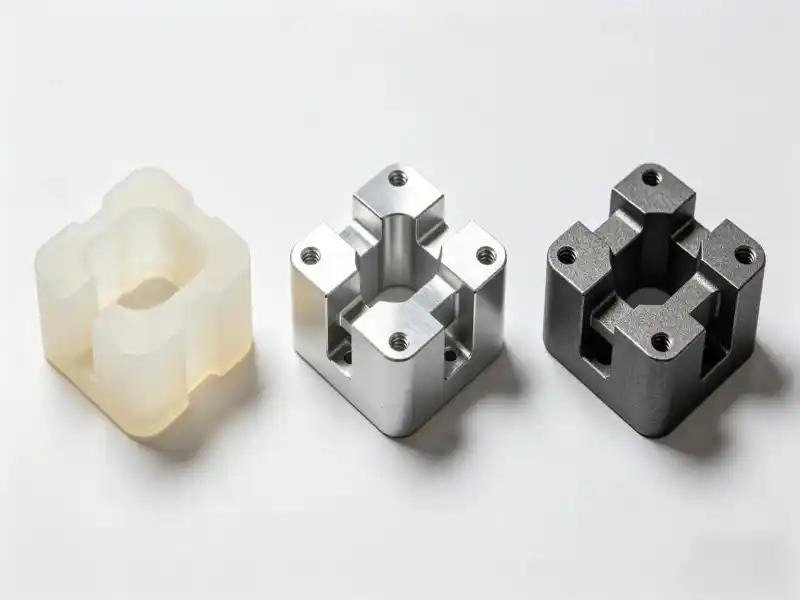
This tiered approach keeps tests lean and targeted. It cuts cost and speeds your path to a validated design.
Which industry benefits most from prototyping?
Some say every field needs prototypes. They do. But a few sectors depend on them most. I believe the aerospace[3] and automotive[4] parts industries benefit greatly from small-batch prototyping. They use it to validate production feasibility fast and safe.
Aerospace and automotive[4] parts lead in prototyping because they need tight tolerances, safety tests, and proof of function before big runs.
Dive deeper into the top industry benefits
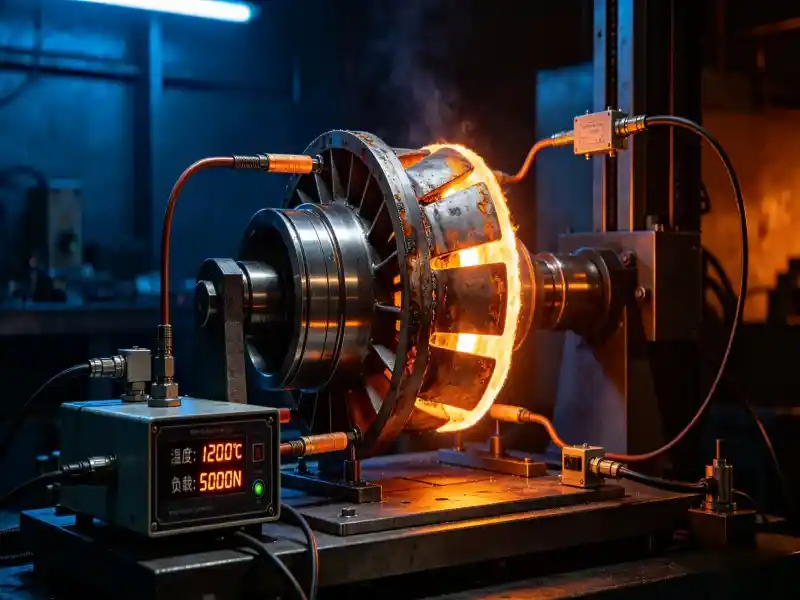
Aerospace parts must meet strict safety and performance standards. I worked on a turbine bracket prototype. We ran it at 700°C for hours and cycled it under load thousands of times. Each test showed micro-cracks and we tweaked the alloy mix. That small-batch cycle saved us from a costly recall.
Automotive parts face tight fit and wear challenges. I built a gearbox case prototype. We tested shaft alignment, bearing load, and seal durability. We found a sealing issue in our first sample. We adjusted the groove depth and ran a second batch. That quick fix cut tool costs and kept our launch date.
| Industry | Key Need | Prototype benefit |
|---|---|---|
| Aerospace | High heat, stress, and light weight | Stress tests and material tuning |
| Automotive | Tight fit and long life | Fit checks, seal trials, and cycle tests |
We stick to small batches in these sectors. We set clear goals, document every change, and refine designs in days rather than weeks. This enables us to validate feasibility before investing in full tooling.
Conclusion
Prototype machining across seven main industries catches flaws, refines designs, and validates processes early, saving time, cost, and ensuring success before full-scale production.
👉 Ready to turn your idea into reality?
Upload your CAD file for a free quote within 24 hours.
📧 rang@ranglink.com | 🌐 www.ranglink.com
[1]: Learn about engineering prototypes and how they validate designs before mass production.
[2]: Explore the concept of functional samples and their role in testing product performance.
[3]: Learn about the importance of prototyping in aerospace for safety and performance standards.
[4]: Discover how prototyping is crucial in the automotive sector for ensuring quality and efficiency.