
Finding a partner for automotive CNC machining who can handle both rapid prototypes and consistent mass production is harder than it should be. Most shops excel at one, but struggle with the other. That gap causes quality shifts, late deliveries, and stalled projects. At Ranglink, we bridge that gap with precision and clear communication.
Continue reading.
What automotive parts are made using CNC machining?
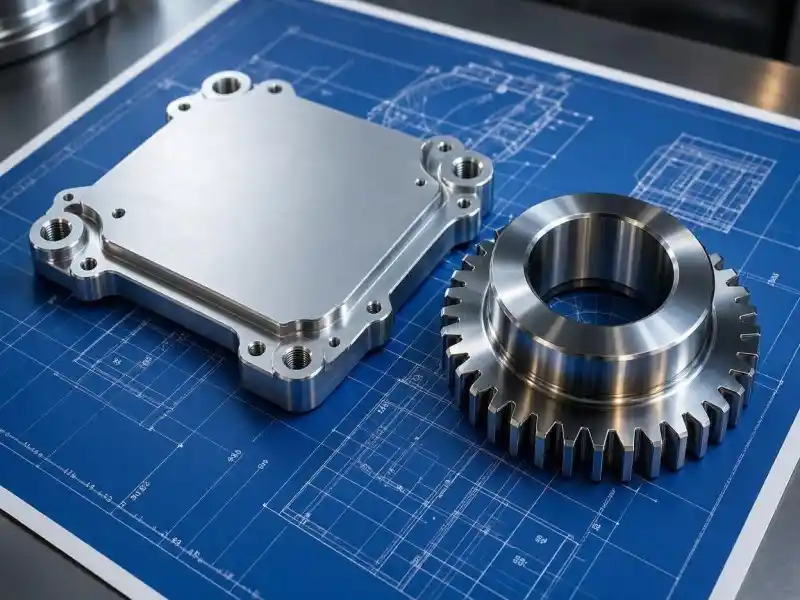
Are you struggling to find a shop that handles both prototypes and production? Sourcing from different vendors often leads to fitment issues. We provide a single source for all your needs.
CNC machining creates essential car parts like engine brackets, gearbox housings, and fuel injectors. It is also vital for new energy vehicle (NEV) parts like battery casings and motor housings. These parts require tight tolerances and high-quality finishes to ensure vehicle safety and performance.
Understanding the Three Main Categories
In my 20 years at Ranglink, I have learned that car parts fall into three categories: prototypes, tooling, and mass production. Each has a different logic. Prototypes, like engine bracket samples, need fast updates and size checks. Tooling parts, such as welding fixtures or assembly jigs, need to be very stiff and wear-resistant. Mass-produced parts, like sensor housings, require every single piece to be exactly the same for traceability. When a client contacts us, I always ask if the part goes on the car or on the production line. This helps us choose the right quality process.
New energy vehicles¹ have changed everything. I see a lot of demand for battery pack structures and cooling plates. We recently made a battery module end plate using 6061 aluminum². It needed a flatness of 0.05mm and special insulation. Another big area is sensor housings for ECUs. Modern cars have dozens of sensors. These parts are small but need great electromagnetic shielding. We once made a radar housing that required copper plating inside and a strict leak test.
| Part Category | Common Examples | Key Requirements |
|---|---|---|
| Prototypes | Engine brackets, Gearbox samples | Fast speed, Size accuracy |
| Tooling/Fixtures | Welding jigs, Inspection tools | Rigidity, Wear resistance |
| Mass Production | Fuel injectors, Drive shafts | Batch consistency, Traceability |
| NEV Components | Battery frames, Motor housings | Heat management, Sealing |
What are the best materials for automotive CNC machining?
Choosing the wrong material can make your parts fail or cost too much. You need the right balance between weight and strength. We help you pick the best metal or plastic for your specific car application.
Aluminum alloys like 6061 and 7075 are the top choices for automotive CNC machining due to their light weight. Steel 4140 is used for high-strength gears, while stainless steel is best for exhaust parts. Engineering plastics like POM and PEEK are also growing in use for electronic components.
Choosing Between Metals and Plastics
Aluminum is the star of our shop. However, I often tell my clients that 6061 and 7075 are very different. We use 6061 for most frames and housings because it is easy to weld and costs less. We use 7075³ for high-stress parts like brake calipers because it is as strong as some steels. But remember, 7075 cannot be welded. If your design needs welding, stay away from it. Using 6061 where possible can save you a lot of money that you can spend on better surface finishes.
For parts like drive shafts or steering knuckles, we use 4140 steel⁴. It is very tough after heat treatment. If you are building racing parts, 4340 is even stronger. But steel is slower to cut, so it costs more. I always ask my customers if they truly need steel. If aluminum is strong enough, it is usually the better choice. In the exhaust system, 304 stainless steel⁵ is the best for looks and rust resistance. We also see more plastics like POM⁶ for gears because they are light and quiet. Plastics need sharp tools and air cooling to stay accurate.
| Material Type | Specific Grade | Best Automotive Use |
|---|---|---|
| Aluminum | 6061 / 7075 | Brackets, housings, brake calipers |
| Steel | 4140 / 4340 | Gears, drive shafts, knuckles |
| Stainless Steel | 304 / 409 | Exhaust pipes, decorative trim |
| Plastics | POM / PEEK | Gears, high-temp sensor shells |
Why is CNC machining crucial for automotive prototyping?
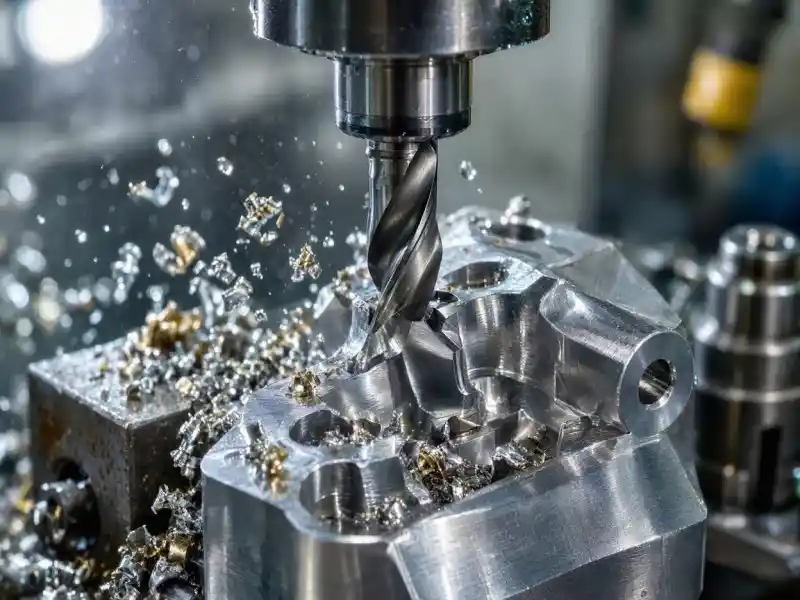
Waiting months for a mold can kill your project timeline. Speed is the most important factor in the early stages of car development. CNC machining delivers real parts in just a few days.
CNC machining is vital for prototypes because it turns CAD files into physical parts quickly without expensive molds. It uses the same materials as mass production, allowing engineers to perform real-world functional tests. This process also helps find design errors early, saving time and money later.
Speed, Function, and Feedback
Time is the biggest enemy in the car world. A new car might only have 18 months for development. If you wait 8 weeks for an injection mold⁷, you might miss your deadline. I once saw a customer lose a month because their mold was delayed. With CNC, we can get parts to them in a week. This allows them to start testing on the actual vehicle immediately.
Another reason CNC is better than 3D printing⁸ for car prototypes is material strength. A 3D-printed part might look right, but it won’t hold up under a heavy load or high heat. A CNC part made from a solid block of aluminum has the same strength as the final production part. This makes your test results much more reliable. Also, during the prototype phase, we can give Design for Manufacturing (DFM)⁹ feedback. If I see a wall that is too thin or a corner that is too sharp, I tell the client. Fixing these things in a digital file is much cheaper than fixing a steel mold later.
| Prototyping Method | Lead Time | Material Properties | Cost for 1-10 pcs |
|---|---|---|---|
| CNC Machining | 3-7 Days | High (Same as production) | Medium |
| 3D Printing | 1-3 Days | Low to Medium | Low |
| Injection Molding | 6-10 Weeks | High | Very High |
How do you smoothly scale from prototype to automotive mass production?
Does your quality drop when you move from ten parts to a thousand? Maintaining consistency is the hardest part of scaling up. We use strict processes to ensure every part matches the first approved sample.
To scale smoothly, you must use standardized fixtures and follow the Production Part Approval Process (PPAP). Clear capacity planning and quality systems like ISO 9001 ensure that mass production stays consistent. Working with a supplier who understands automotive documentation is key to a successful transition.
Consistency and Documentation
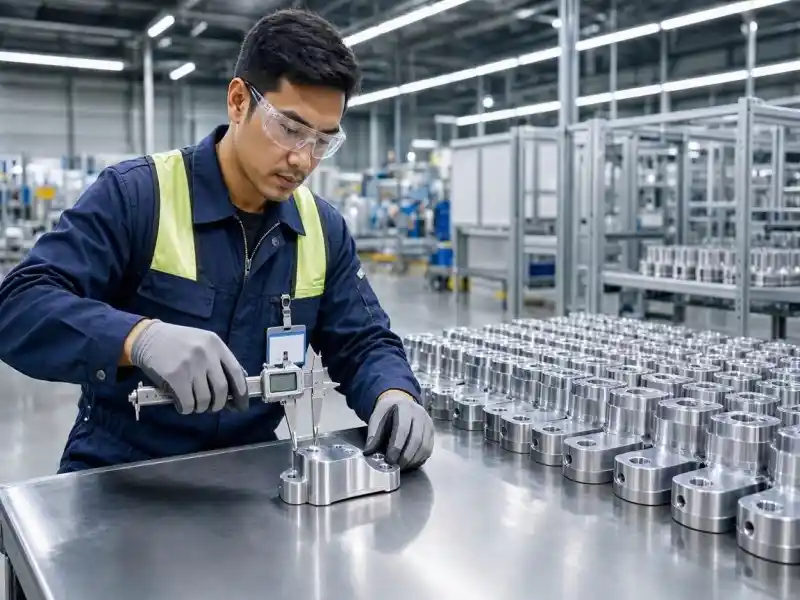
The biggest enemy of mass production is not technology; it is inconsistency. If you make ten parts, they might all be a little different. If you make a thousand, they must all be identical. At Ranglink, we lock our programs and number our fixtures. Even if we change operators between shifts, the quality stays the same. We also use clear inspection templates for every batch.
If you want to work with big car brands, you need to understand PPAP¹⁰. This is a set of documents that proves we can make the parts correctly every time. It includes material certs, dimension reports, and process plans. While Ranglink currently holds ISO 9001¹¹, we are very honest with our clients. We handle many car parts that do not require the ultra-strict IATF 16949¹², such as aftermarket parts or non-safety components. When you scale from 100 to 1,000 pieces, tell us a month early. This lets us buy enough material and set up the machines so there are no delays.
| Scaling Phase | Focus Area | Key Tool/Document |
|---|---|---|
| Small Batch | Design Validation | DFM Report |
| Pre-Production | Process Stability | Control Plan |
| Mass Production | Consistency | PPAP / Inspection Reports |
| Long-term | Efficiency | Capacity Planning |
Conclusion
CNC machining is the best way to move your automotive project from a fast prototype to a reliable mass-produced reality.
Ready to start your next project?
Whether you need high-precision batch production or expert advice on the best machining path, I am here to help.
Contact me today for a fast quote:
Email: info@ranglink.com
WhatsApp: Message us on WhatsApp
- Overview of new energy vehicles and their impact on the automotive industry.
- Properties and common applications of 6061 aluminum alloy.
- Technical specifications of the high-strength 7075 aluminum alloy.
- Information on 4140 chromoly steel used for automotive components.
- Data and properties of 304 stainless steel.
- Overview of Polyoxymethylene (POM) engineering plastic.
- Details on the injection molding process for mass production.
- Comprehensive guide to 3D printing and rapid prototyping.
- Principles of Design for Manufacturability (DFM) in engineering.
- Overview of the Production Part Approval Process (PPAP) in the automotive sector.
- Information on ISO 9001 quality management systems.
- Explanation of the IATF 16949 automotive quality standard.