
Struggling with inconsistent parts or high production costs? Understanding when to use custom CNC machining versus traditional methods is the key to a successful project. Choosing the wrong manufacturing process wastes time and money. I will show you exactly how to pick the right process to guarantee precision and save your budget.
CNC machining uses computer software to control tools automatically, while traditional machining relies on a manual operator. CNC offers better consistency for large batches, but manual machining is often faster and cheaper for simple, one-off repairs or basic modifications where programming takes too much time.
Many people think CNC is always better, but that is a mistake. I have seen many buyers lose money because they did not understand when to use an old-school method. You need to know how these two worlds work together to get the best parts.
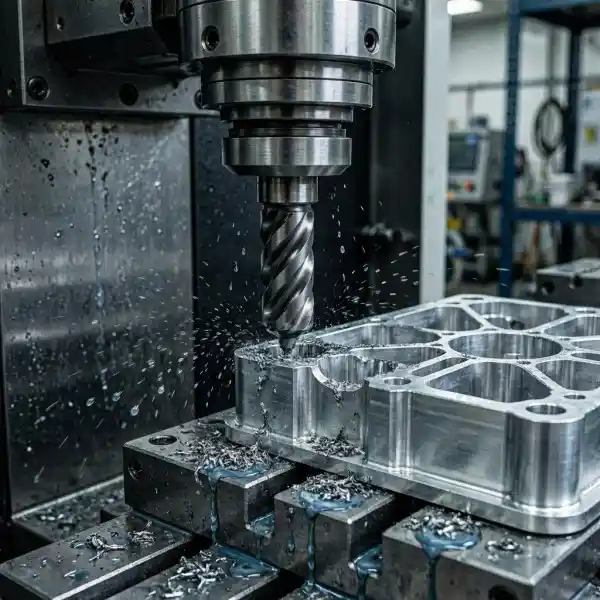
What is the difference between machining and CNC machining?
High costs and slow lead times2 often come from picking the wrong tech for the job. Do you know if your parts actually need a computer to make them?
Machining is the overall process of removing material from a block. Traditional machining uses hand-turned wheels and levers to move the cutters. CNC machining uses a digital file to guide the machine automatically. The main difference is who controls the movement: a human or a computer.
In my ten years at Ranglink, I have seen the “precision trap” many times. People say CNC is precise and traditional is not. This is not true. I once saw a master machinist with 30 years of experience hit a tolerance3 of ±0.01mm on a manual mill. His hands were steadier than a new machine. The real difference is not if you can hit the mark once, but if you can hit it 100 times. A human can make one perfect part. A CNC machine makes the 100th part look exactly like the first one. For those needing this level of consistency, our CNC machining services are designed to deliver exact results every single time.
Understanding Accuracy vs. Repeatability
| Feature | Traditional Machining | CNC Machining |
|---|---|---|
| Control Method | Manual Levers/Handwheels | Computer Code (G-code4) |
| Best For | Simple parts, one-offs, repairs | Complex parts, large batches |
| Accuracy | High (depends on the operator) | High (depends on the machine) |
| Consistency | Hard to repeat exactly | Extremely consistent |
Skill has not disappeared in the CNC age; it has just moved. In the past, the master was on the shop floor listening to the sound of the cut. Today, the master is in front of a screen planning the tool path5. However, a programmer who does not understand how metal reacts to heat will still fail. At Ranglink, we make our young programmers learn from the old masters. This ensures they don’t just write pretty code, but understand how the material actually behaves under pressure.
What is the difference between CNC machine and normal machine?
Are you paying for expensive machine time when a simple tool could do the job faster? Understanding the hardware helps you avoid overpaying for basic tasks.
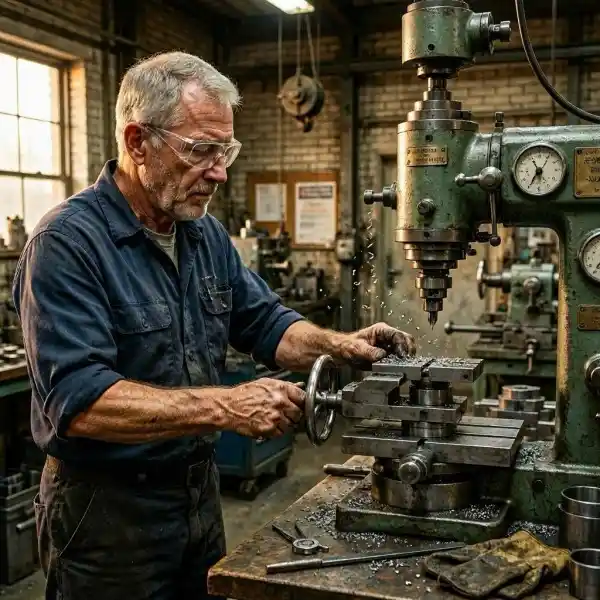
A normal machine requires an operator to stand at the controls every second to adjust depth and speed. A CNC machine uses motors and sensors to follow a pre-set program. CNC machines often have enclosures for safety and high-speed spindles that a human could never manage safely.
I often see startup founders ask for CNC machining for a simple plastic mockup. They want “CNC precision” for a part that doesn’t even need to fit anything. If they used a traditional model-making shop, the cost would be one-third of the price. CNC is not a magic wand. It is a tool. Sometimes, using a five-axis machine6 for a simple block is just a waste of your money. I always ask my clients: “What are you trying to prove with this part?” If it is just for looks, don’t pay for CNC time.
Comparing Machine Capabilities
- Setup Time: Manual machines are ready to go in minutes. CNC machines need programming and tool calibration which takes hours.
- Complexity: Normal machines struggle with complex curves. CNC machines handle 3D shapes easily.
- Labor: One operator can run several CNC machines. One operator can only run one manual machine at a time.
We keep manual machines at Ranglink for a reason. If a cast iron7 part has one crooked hole that needs fixing, we don’t put it on a CNC. We don’t want to spend two hours writing code for a ten-minute fix. A skilled worker uses a manual drill and finishes it quickly. This is practical, not backward. If your supplier says they threw away all their manual machines, be careful. It might mean they don’t know how to solve simple problems efficiently.
Why is CNC machining preferred over manual machining?
Do you worry about batch quality or slow delivery dates? CNC machining solves these problems by taking the human error out of the repetition process.
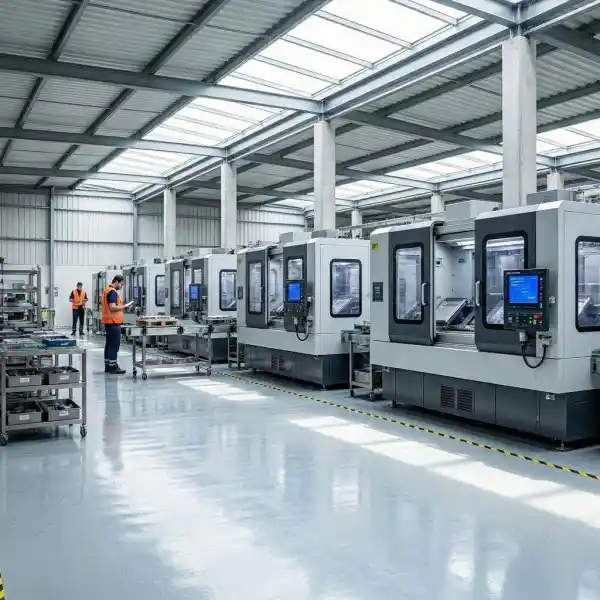
CNC machining is preferred because it reduces human error, increases production speed, and allows for complex geometries. Once a program is verified, the machine can run 24/7 with minimal supervision. This makes it much cheaper for medium to large production runs compared to manual labor.
When you are comparing quotes, don’t just look at the bottom line. If one shop is much cheaper, ask them how many manual machines they still use. A good factory uses CNC for the precision work and manual machines for the “edges.” This mix of technology is where real value comes from. It shows the shop knows how to balance speed and cost. If they only use CNC, they might be overcharging you for simple tasks.
The Benefits of Modern Automation
| Benefit | Why it matters to the Buyer |
|---|---|
| Reduced Waste | Fewer mistakes mean fewer scrapped parts and lower costs. |
| Speed | Machines don’t get tired and work faster than human hands. |
| Complex Shapes | You can design parts that are impossible to make by hand. |
| Scalability | Start with 10 parts and move to 1,000 with the same quality. |
The biggest advantage for a purchasing manager is peace of mind. With manual machining, the quality depends on how the operator felt that morning. If he had a bad day, your parts might be slightly off. With CNC, the software does not have “bad days.” This consistency is why industries like medical and aerospace demand CNC. At Ranglink, we use our ISO90018 systems to ensure that our CNC programs are saved and locked. This means when you re-order next year, the parts will be identical to the ones you have now.
Conclusion
CNC offers perfect consistency for big batches, while traditional machining is great for quick, simple fixes. A great supplier like Ranglink uses both to give you the best price.
Ready to start your next project?
Whether you need high-precision batch production or expert advice on the best machining path, I am here to help.
Contact me today for a fast quote:
Email: info@ranglink.com
WhatsApp: Message us on WhatsApp
- Wikipedia article on the general concept and history of machining processes.
- Explanation of lead times in supply chain, manufacturing, and project management.
- Wikipedia detailing engineering and manufacturing tolerances.
- Detailed overview of the G-code programming language used to control CNC machines.
- Information on toolpaths generated by CAM software for automated machining.
- Comprehensive guide to the principles and applications of 5-axis machining technology.
- Metallurgical properties, history, and industrial applications of cast iron.
- Overview of the ISO 9001 standard for quality management systems and consistency.