
Finding a reliable CNC machining supplier is hard because many shops promise high quality but deliver poor results. You face late deliveries, parts that do not fit, and hidden costs that blow your budget.
To find a reliable CNC machining supplier, you must look beyond their equipment list and focus on their maintenance records, technical communication, and quality control systems. A trustworthy partner provides detailed DFM feedback, offers stable pricing based on real manufacturing efficiency, and treats small prototype orders with professional rigor.
I have spent over 20 years on the shop floor at Ranglink, and I have seen many buyers struggle with suppliers who just do not get it. Choosing a shop is not just about the lowest price; it is about finding a team that acts like your internal department. If you pick the wrong one, you waste weeks of design work on parts that end up in the scrap bin.
What should you look for in a CNC machining supplier?
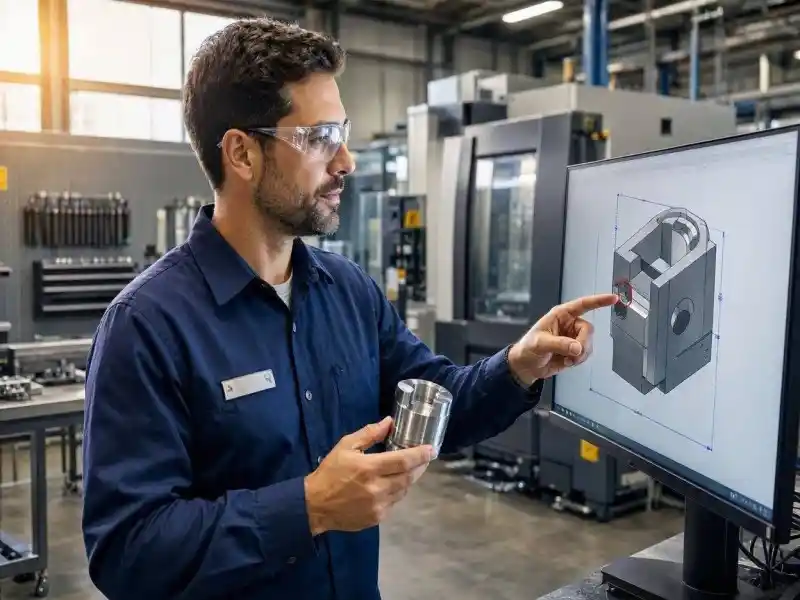
Checking a website for a long list of machines is not enough to guarantee your parts will be made correctly. You need to verify if those machines are actually running well and if the team behind them cares about precision.
You should look for a supplier that maintains detailed equipment logs, holds valid ISO certifications with real testing data, and keeps a steady stock of common raw materials. Most importantly, a reliable supplier will ask technical questions about your drawings instead of just sending a quick price quote.
I always tell my clients to stop looking at shiny machine photos. Many shops list 100 machines, but half are leaking oil or gathering dust. At Ranglink, I make sure every machine has daily, weekly, and monthly check-up logs. A well-maintained three-axis machine will always beat a neglected five-axis machine¹. Also, ask about their material stock. If a shop says they can buy “anything,” they probably have no inventory. If they tell me they keep 6061-T6 aluminum² in 20mm plates ready to go, I know they are professional and have a stable supply chain³.
Evaluating Beyond the Paperwork
When you talk to a potential partner, pay attention to the questions they ask you. If they respond in 24 hours and ask about a specific hole depth or a surface finish⁴ requirement, they are trying to understand your design. If they just say “how many do you want,” they are just looking for a sale.
| Key Indicator | What it Proves | Why it Matters |
|---|---|---|
| Maintenance Logs | Machine Health | Ensures part accuracy and prevents delays |
| Material Stock | Supply Chain Stability | Leads to consistent lead times and pricing |
| Technical Questions | Design Understanding | Prevents “unmanufacturable” design errors |
| Testing Reports | Quality Commitment⁵ | Proves the shop follows their own standards |
How do you evaluate a CNC machining company’s capabilities?
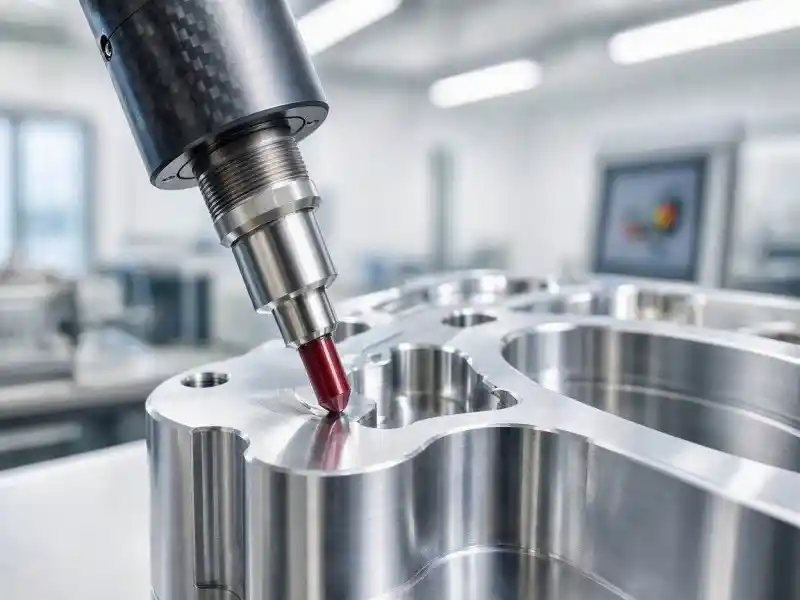
You cannot always fly to a factory to check their work, so you need a way to test them from your desk. Reading a brochure is easy, but seeing how they handle a real part tells the whole story.
The best way to evaluate a company is through a “test order” of a medium-difficulty part to score their DFM feedback and delivery speed. You should also ask them to describe their most difficult past project to see where their technical limits truly lie.
I suggest replacing a factory visit with a small trial run. When I receive a drawing from a new client, I try to find issues. If I see a sharp internal corner that is hard to mill, I suggest a radius⁶. If a supplier says nothing and just quotes, they either did not look at the drawing or they do not understand it. A supplier that gives you DFM (Design for Manufacturing)⁷ advice is a supplier that has real engineering power. I once showed a client a thin-walled aluminum case we made where we kept the 0.5mm walls within a 0.02mm tolerance. That one example showed him more about our skill than ten video calls ever could.
Measuring Supplier Performance
During your first trial order, you should grade the supplier on five specific areas. This creates a data-driven way to decide if they are the right fit for your long-term projects.
- Quoting Speed: Did they reply quickly with a professional breakdown?
- DFM Quality: Did they point out risks or suggest improvements?
- Delivery Punctuality: Did the parts arrive on the promised day?
- Report Accuracy: Does the inspection report match the actual parts?
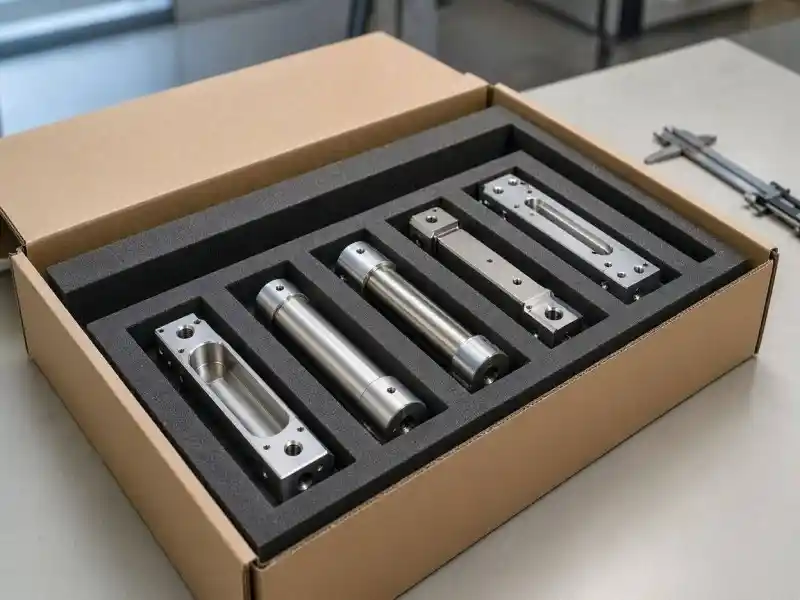
- Packaging: Were the parts protected well enough to survive shipping?
Why do CNC machining quotes vary so much between suppliers?
It is frustrating when one shop quotes $100 and another quotes $200 for the exact same drawing. These price gaps are usually caused by hidden factors like scrap rates, programming efficiency, and post-processing quality.
Quotes vary because of internal efficiency and the “hidden cost” of failure; a cheap supplier with a high scrap rate actually costs you more in time and rework. Additionally, expert programming can cut machine time in half, and high-quality surface treatments cost more than basic ones.
I see this all the time: a customer chooses the lowest bid, but the parts come back with poor finishes or wrong dimensions. A shop that quotes a bit higher is often pricing in better quality control. If my scrap rate⁸ is 1% and the cheap shop is at 10%, my “real” cost to you is lower because you don’t have to deal with delays or returns. Also, look at the surface finish. “Anodizing⁹” is a broad term. Hard anodizing costs much more than decorative anodizing. If a shop does not specify the thickness of the coating, they are probably giving you the cheapest version possible.
The True Cost of a Part
Price is not just the number at the bottom of the invoice. You have to consider how much money you lose if a part fails in assembly or if the supplier goes out of business because they didn’t make a profit.
| Cost Factor | Low-Cost Shop | High-Quality Shop |
|---|---|---|
| Programming | Standard/Slow strategy | High-speed dynamic milling |
| Scrap Rate | 10% or higher | Under 1% |
| Surface Finish | Thin, inconsistent layer | Verified thickness and spec |
| Communication | Slow and reactive | Proactive DFM suggestions |
How to find a reliable CNC machining manufacturer in China?
Searching on big B2B platforms often leads to a sea of trading companies rather than actual factories. To find a real partner in China, you need to look for technical expertise and a scale that matches your own.
To find a reliable Chinese manufacturer, look for companies that share technical knowledge online and start with a “trial order” of 10-20 pieces. You should verify if they have their own quality team and ensure you understand the shipping terms like FOB versus DDP.
Do not just start with a random search on a massive marketplace. I find that the best relationships start through industry recommendations or technical blogs. If a factory takes the time to write about how to solve machining problems, they likely care about their work. Also, find a supplier that matches your size. If you are a startup, a giant factory will put you at the bottom of their priority list. At Ranglink, we have many long-term partners who started with just one prototype¹⁰. We never look down on small orders. Finally, always clear up the logistics. Ask if the price includes customs and local delivery. It saves a lot of headaches later.
The Three-Step Verification Plan
When you find a potential partner in China, follow this simple plan to protect your budget and your project timeline.
- Test the Communication: Send a technical question in English and see how fast and clear the answer is.
- Run a Small Batch: Order 10 pieces of a non-critical part to check their overall process and shipping.
- Check the Certs: Ask for the raw material certificate (MTR)¹¹ and an inspection report for those 10 pieces to see their documentation style.
Conclusion
Finding a reliable partner requires checking maintenance logs, asking for DFM feedback, and starting with small trial orders to verify quality and communication before scaling up your production.
Ready to start your next project?
Whether you need high-precision batch production or expert advice on the best machining path, I am here to help.
Contact me today for a fast quote:
Email: info@ranglink.com
WhatsApp: Message us on WhatsApp
- Overview of multiaxis machining and complex CNC capabilities.
- Properties and industrial applications of 6061 aluminum.
- Definition and importance of supply chain management in manufacturing.
- Explanation of surface finish and engineering roughness standards.
- Guide to quality assurance systems and defect prevention.
- Engineering definition of using a radius to reduce stress concentrations.
- Principles of designing products for easier and cheaper manufacturing.
- Industrial definition of scrap materials and production waste.
- Technical explanation of the anodizing process for protecting aluminum.
- Information on prototyping and its role in product development.
- Explanation of Mill Test Reports (MTR) for verifying metal properties.