Precision EDM Services – Wire & Sinker for Complex Geometries
Electrical discharge machining for hard metals, sharp internal corners, and burr‑free finishes.
ISO 9001 certified | ±0.005mm tolerance | No mechanical stress | Prototype to production
What Is EDM?
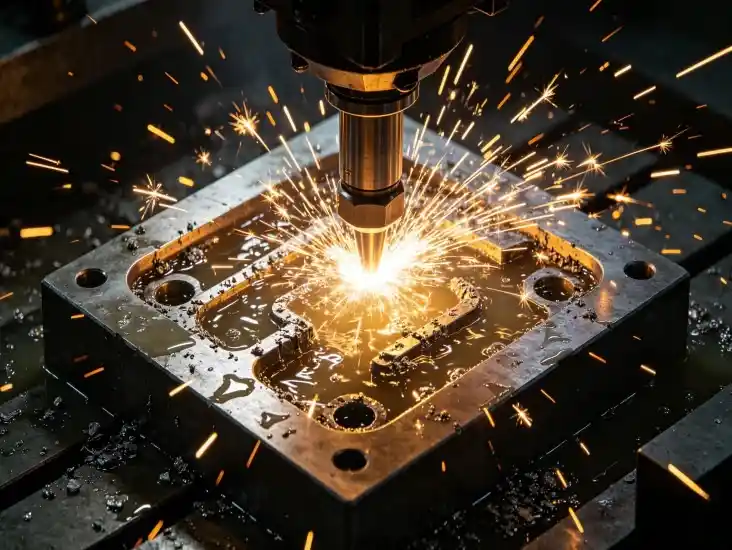
EDM (Electrical Discharge Machining) is a non‑contact process that uses pulsed electrical sparks to erode conductive materials. There is no mechanical force, no tool pressure, and no heat‑affected zone.
- Hardened steels, carbides, titanium, and superalloys
- Complex cavities, sharp internal corners, deep narrow slots
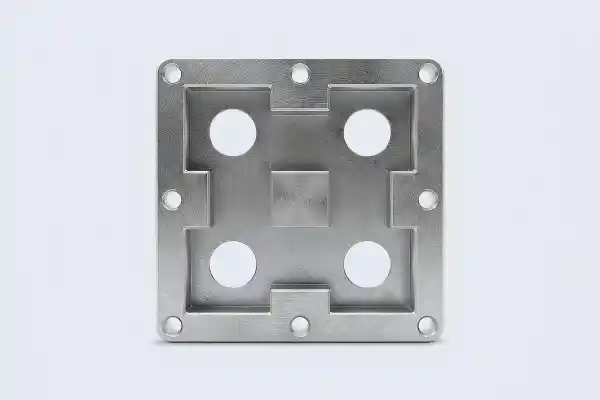
- Small holes, fine details, and fragile structures
- Parts that cannot tolerate cutting forces
EDM removes material by spark erosion – ideal for hard materials and intricate internal shapes.
Our EDM Capabilities
| Type | Description | Typical Applications |
|---|---|---|
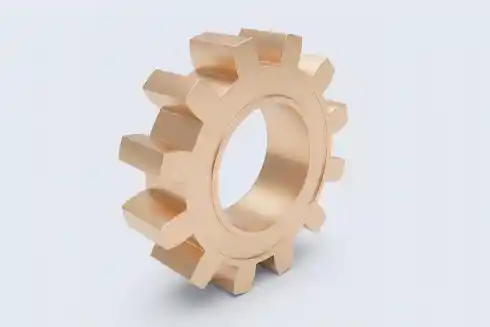
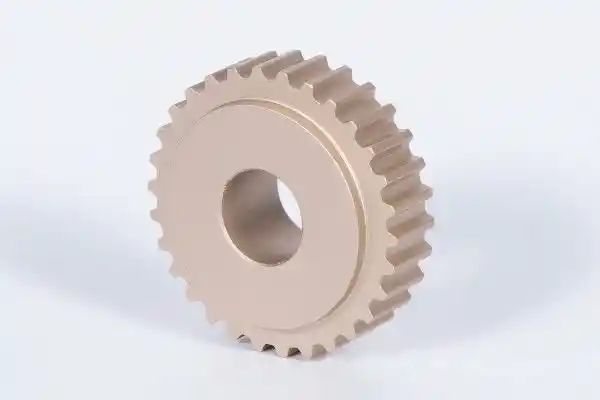
| Wire EDM | A thin brass or coated wire cuts through the workpiece like a band saw. No contact, no burrs. Max thickness 400mm. | Stamping dies, precision gears, custom profiles, extrusion tooling |
| Sinker EDM | A custom‑shaped electrode is plunged into the workpiece to create complex cavities, blind holes, and sharp corners. | Injection mold cavities, aerospace blades, medical tools |
Technical Specifications
| Parameter | Specification |
|---|---|
| Max workpiece size (Conventional EDM) | 400 × 300 × 300 mm |
| Max workpiece size (Wire EDM) | 300 × 300 × 400 mm |
| Min feature size | Ø0.5 mm |
| Recommended tolerance | ±0.01 mm |
| Precision tolerance (on request) | ±0.005 mm |
| Surface finish | Ra 0.4 – 1.6 μm |
Materials Suitable for EDM
EDM (Electrical Discharge Machining) is suitable for conductive materials, such as metals and alloys, including steel, titanium, copper, and tungsten carbide. The material must be electrically conductive to facilitate the spark erosion process.Here are the materials JLCCNC can provide for EDM.


Why Choose EDM for Your Project?
Frequently Asked Questions
Find answers to common questions about our services and capabilities.
What is the difference between wire EDM and sinker EDM?
Wire EDM uses a continuously moving wire to cut through the workpiece, like a bandsaw. Sinker EDM uses a shaped electrode to “burn” a cavity into the workpiece. Wire EDM is best for through‑cut profiles; sinker EDM is used for blind cavities, sharp corners, and complex 3D shapes.
Can you machine hardened steel without annealing?
Yes – EDM works on any conductive material regardless of hardness. Hardened steels (up to 65 HRC) are machined as easily as soft materials.
Do you offer EDM for large workpieces?
Yes – we can accommodate parts up to 400mm in length/width for conventional EDM and 300×300×400mm for wire EDM. Larger sizes may be quoted upon request.
What is the typical lead time for EDM prototypes?
Standard lead time is 5–7 business days for prototypes. Complex parts may require slightly more time.
Do you sign NDAs?
Absolutely. We treat your designs as confidential and are happy to sign a Non‑Disclosure Agreement before any project discussion.
Industries That Rely on EDM
Why Choose Ranglink for EDM?
Ready to Work Together?
Whether you need a single prototype or a production run of thousands, Ranglink is ready to support your project with precision, speed, and reliability.
👇 Upload your CAD file (STEP, IGES, STL, SolidWorks) for a free quote within 24 hours.
Contact Us For Quick Quote

Custom CNC Machining Parts Service
Get best solutions from a trusted ISO-certified factory.
Contact us for a quick quote ,we will reply within 24 hours.